Table Of Content
In journalism and a minor in women’s, gender, and queer studies from California Polytechnic State University, San Luis Obispo. Hannah has written across lifestyle sections including health, wellness, sustainability, personal development, and more. Our experts continually monitor the health and wellness space, and we update our articles when new information becomes available.
Olaplex No.9 Bond Protector
Properly hydrated hair is less likely to get tangled or knotted. If conditioner alone isn’t enough, consider adding a leave-in conditioner or detangler to your routine. This common cooking oil is also extremely popular in hair care.
Protein denaturation
When your client applies extreme heat to these strands – especially without a heat protectant – the natural oils on the surface may be stripped away, leaving the hair cuticle vulnerable. The more frequently you wash your hair, the less time your scalp has to replenish its natural oils. "Washing your hair less often will help [it] heal by allowing your natural oils to create a moisture barrier," says Verrett. In addition to washing less often, you might want to do a moisturizing pre-wash when you do.
effective home remedies to prevent hair loss
This product is easy to distribute thanks to the pump bottle and lightweight formula. In fact, it’s so lightweight that it hardly felt like we had any product in our hair. It quickly absorbed in about a minute and did not leave a sticky residue. One key ingredient includes beeswax, which Hatcher says creates memory and helps hold styling all day. This feature is particularly beneficial for those with frizzy hair.
"While heat damage cannot be physically reversed, there are certainly ways to visibly reverse the effects and to strengthen and prevent further damage," explains Verret. Incorporating these natural oils into your routine can transform the way your hair feels and looks, aiding in its recovery from heat damage. Use them as a pre-shampoo treatment, or perhaps try adding a few drops to some shampoo and conditioner for an additional boost of moisture. Start with small amounts to see how your hair responds, adjusting based on its needs. These fantastic products create a shield between your hair and heat, reducing the risk of future damage and helping to preserve your hair’s precious moisture balance.

How to Prevent and Treat Heat Damage
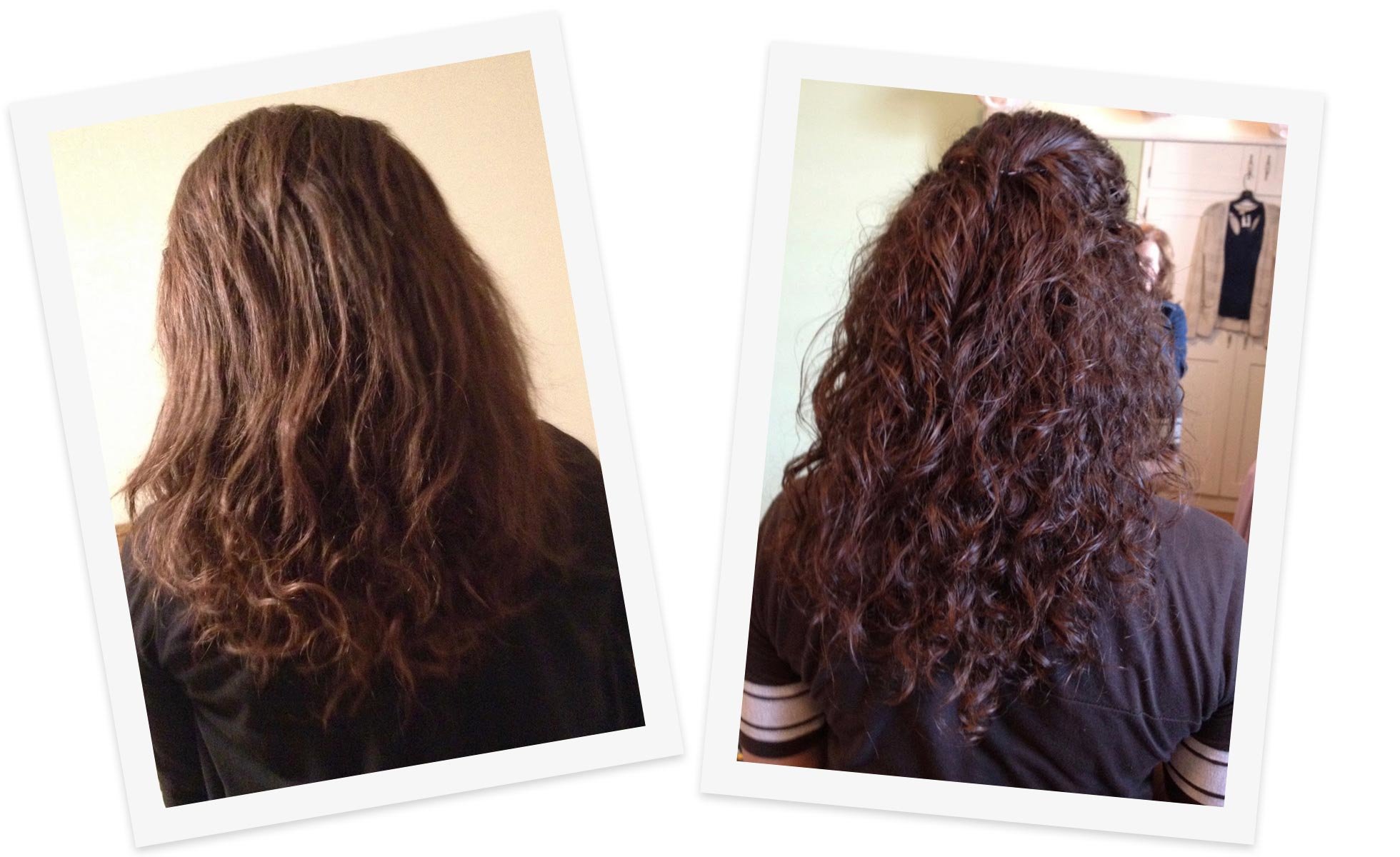
And if you want to add an extra step, consider incorporating a hair vitamin into your beauty routine. Heat damaged hair often looks dull and feels coarse to the touch. If you have naturally curly hair, you may even notice that your hair is losing its curl and becoming straighter. Although heat damaged hair can’t typically be fully repaired, you can smooth and strengthen strands with a committed treatment. Hatcher says anyone who blow-dries or heat styles their hair will benefit from heat protectant spray. “Aside from a good shampoo and conditioner, thermal protections are at the top of the list for keeping healthy hair,” she explains.
Step 1: Repair With A Bond Building Treatment
Many oils and butters act in the same fashion, hence their propensity to seal the hair. Using a shampoo helps lift the moisture-blocking product buildup, so that the water can penetrate the hair and help restore the original texture. A big part of fixing heat-damaged hair is preventing further damage. Your ends will generally be the weakest, most brittle part of your hair since they’ve been around the longest. Handle your hair with care to prevent that breakage from spreading higher up the hair shaft. Hot tools can be fabulous for styling, but frequent exposure to high temperatures can wear down healthy strands.
Invest in a high-quality flat iron with temperature control, use a thermal heat protectant, and make sure that your hair is fully dry before you apply any heat. In the hair care realm, bond builders are the unsung heroes working oh so diligently behind the scenes to protect and restore your hair’s integrity. Unlike protein treatments, they’re designed to go beyond the surface, working at the molecular level and delving into the hair’s cortex to repair and reconnect the bonds broken by heat styling. By doing so, they dramatically reduce breakage, ultimately giving it strength and resilience. If you’re struggling with damaged hair, we recommend using this Kérastase product before using heat on your hair. We loved that it absorbs almost immediately into the hair, and it made our hair feel softer, more moisturized, and less frizzy even before we used hot tools.
15 Best Products for Damaged Hair Reviewed by Editors - Who What Wear
15 Best Products for Damaged Hair Reviewed by Editors.
Posted: Thu, 21 Dec 2023 08:00:00 GMT [source]
Discover how patented OLAPLEX Bond Building Technology™ works at a molecular level to dramatically improve hair strength, repair damage and protect all hair types. Add definition to fine hair with Olaplex’s Volumizing Blow Dry Mist. Most people avoid applying products at the root to prevent greasy hair, but this product is specifically made with your roots in mind. Simply spray at the top and distribute the product by brushing to the ends. The No.3 Hair Perfector from Olaplex is one of the brand’s best-sellers for a reason.
Experts recommend choosing a dye within three shades of your natural color and opting for shades that are darker rather than lighter to limit damage. Unnatural colors are more difficult to maintain and have to be touched up more frequently. SELF does not provide medical advice, diagnosis, or treatment. Any information published on this website or by this brand is not intended as a substitute for medical advice, and you should not take any action before consulting with a healthcare professional. But if you have no startling symptoms with less-than-lustrous hair, the good news is, more often than not, your hair will correct course after a few minor lifestyle adjustments.
Transitioning to a completely heat-free hair-care routine involves reducing or eliminating the use of heat styling tools completely. Shante Frazier, cofounder of WellCapped, a luxury wig rental subscription services suggests challenging yourself to go 30, 60, or even 90 days without using hot tools. Frazier notes there will be an improvement in hair texture and shine when you reduce cuticle damage. Learn what types of shampoos and conditioners work well with your hair texture,” she says.
However, it is still possible to maintain healthy hair with these services, as long as you're working with a professionally trained stylist. Products like relaxers and hair color are easily accessible. Often, they aren't used properly, and that's where damage can come into play. Before blowing your hair dry or styling it, spritz a thermal protection spray all over your strands.
Your first step should be to switch to products for heat damaged hair. Immediately turn to a gentle and nourishing shampoo and conditioner combo set that is designed to work together. Your shampoo, conditioner and any hair products you use should be sulfate-free.
Though Dyson’s beloved blow dryer is designed to protect hair from damage despite its fast drying times, try a lower heat setting than you normally would. Brager is a fan of T3’s Smooth ID tools that can personalize heat settings to your hair type. In an effort to maintain your style, it can be helpful to embrace your natural hair.
By this, we mean that period in time when we blow-dried, straightened, curled, or even crimped our hair every single day. While this may have been all fun and games at the time, heat damage followed. Its tourmaline plates emit up to 6 times more negative ions than regular flat irons made of ceramic plates, giving it the ability to lock in moisture and create a smooth, silky hair surface. Undoubtedly, among the most common symptoms of heat-damaged hair is a change in texture - instead of feeling sleek or shiny, it will feel rough and dry. No matter how much you moisturize it, you are simply not seeing any improvement.


No comments:
Post a Comment