Table Of Content

Hair damage happens for myriad reasons, but the usual suspects are chemicals, heat, and mechanical issues. Damage shows up differently across different hair textures, and can manifest as brittleness, dryness, split ends, and overall dullness. Work from the ends up in small sections to avoid ripping strands, she suggests. For the best product picks, check out the GH Beauty Lab's top-tested hair moisturizers and deep conditioners and masks for damaged hair below.

Severe damage or breakage
Salons can be expensive, but coloring is often best left to the professionals. A professional colorist knows how to use the correct products to minimize damage. But around month two, my boyfriend started dropping hints that he missed the natural hair he was dying to touch the first night we met.
Heat protectants
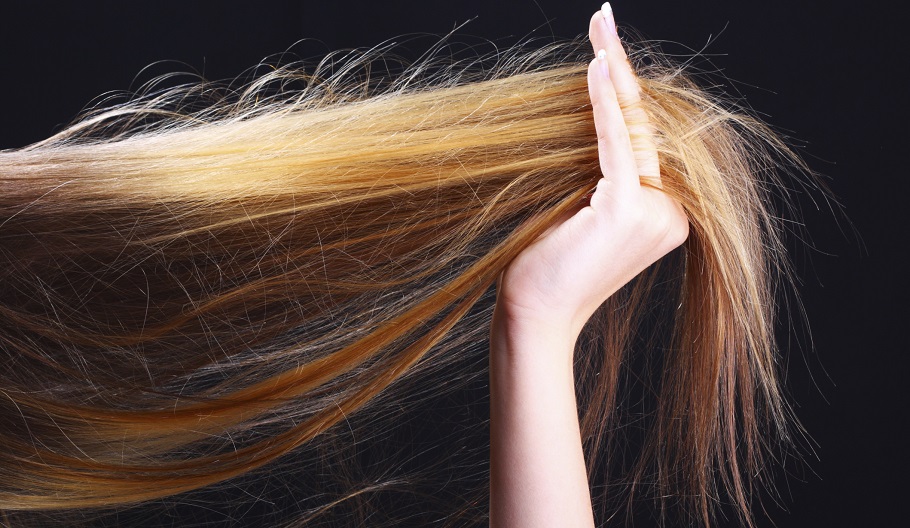
While you can’t repair damaged hair, you can take steps to restore your hair’s health over time. This can include targeted treatments and remedies, depending on the cause of the damage. And it’s important to limit the amount of times you use heat after getting your hair straightened. Resist that urge to just flatiron around the hairline to keep the style longer. “Many curly hair clients restyle their hair with a blowdryer or irons to reshape their hair in between shampooing,” Nawrot says, but that's a problem because repeated heat can cause curls to go limp.
How Can You Prevent Heat-Damaged Hair?
We used the provided flat iron, swiftly ran it down the length of the paper, and made note of whether the receipt began to smoke or turn brown. We allowed the heat protectant to absorb into the hair on the right side for a few minutes and took note of how the product settled into the hair. We used the provided hair dryer, diffuser, and/or round brushes and fully dried our entire head.
Use a heat protectant
By implementing these changes, you'll notice progressively stronger, healthier hair over time. How to protect hair from excessive heat damage involves much more than spritzing on a heat protectant spray or hair treatment. While that is, of course, important (we’ll elaborate more below), there are a slew of other factors that play a role in hair damage and protection from the heat. We chatted with three longtime experts who shed light on how to keep you from heat-damaged hair that’s parched or broken. They offer eight tips that will help elevate your hair care routine step by step, from the point of wet hair to dry hair and everything between.
How To Repair Damaged Hair: The Common Causes and Remedies - Women's Health
How To Repair Damaged Hair: The Common Causes and Remedies.
Posted: Tue, 15 Feb 2022 08:00:00 GMT [source]
We didn’t notice any noticeable transfer, and at no point did we feel like we had to wipe or wash the product off our hands. Two key ingredients include peach oil and rosehip oil, which provide nourishing properties as well as a pleasant scent. This product fully absorbed within two minutes, but we noticed slight residue and product transfer on our hands during the touch test.
Try These Steps To Fix Heat-Damaged Hair (Without Cutting)
If your hair still isn’t responding like you had hoped, the greenhouse effect may help. A spinoff of sorts of the hot oil treatment, greenhousing involves trapping hair in an ultra-moisturizing environment to aid in absorbing as much moisture as possible. This can be achieved at simplest, by covering damp hair with a plastic cap and scarf. In addition to turning your locks an unpleasant shade of green, chlorine can strip moisture from your hair and leave it feeling even more brittle and coarse. Before bleaching, pay extra attention to moisturizing your hair and avoid other damaging activities, like heat styling, for a couple of weeks.
How to fix the appearance of damage & prevent it from progressing:
Also, the outer layer of the hair, known as the cuticle, can get damaged, leading to a rough and frizzy appearance. After years of heat styling, many people face dry, brittle and damaged hair. With the rise of blow dryers, flat irons, curling wands, and other hot tools, heat damage has become a common problem. But don’t worry; a hair heat diet can help you restore your hair’s health and vitality. We’ve tapped expert stylists to guide us through the process of bringing damaged strands back to life.
How to use leave-in conditioner: Do it right for healthy hair
Now you may be wondering, "How do I know if my hair is damaged?" The thing is, heat-damaged hair can look similar to hair that's been poorly color-treated or lacks moisture in general. So if you see the following signs but rarely use hot tools, it's probably one of the previous problems instead. Among the most common symptoms of heat-damaged hair is frizziness. This means having a lot of hair that doesn’t align with the surrounding hair strands, but stands up or curls separately instead - which creates an irregular, frizzy texture. Ultimately, finding the right balance of moisture and protein is vital to restoring the health and vitality of heat-damaged hair.
My favorite thing about this mask might be the scent (lemon, black currant, white orchid, sandalwood, and vanilla), but it should be how moisturizing it is. This clean, intense conditioning treatment deeply infuses my hair with moisture leaving it healthy-looking, soft, and smooth with little to no frizz. The addition of rice protein in the mask really works overtime to strengthen my strands that have been weakened at the hands of heat styling tools. Scaling back on heat styling is crucial for heat damaged hair, but that doesn't mean your client has to compromise on frizz-free locks. They should simply embrace heat-free coiffing with the styling products above.
You don't want to be tugging or rubbing, as the added friction can make locks even more knotted and frayed. Keep this in mind when it comes to using shampoo and conditioner, and take the time to delicately smooth products through. Split ends are common when hair has been stressed out by heat styling, so is it best to cut off heat damaged ends? Your first (and most effective) course of action should be to give your client's hair a trim. As long as the damage hasn't worked its way too far up the hair shaft, you may be able to tidy split ends without taking off much length, thanks to a cutting technique known as ‘dusting'. This quick trick sees ragged strands targeted, and only the very tips trimmed off, allowing your client to keep their signature style – sans those dry, straggly ends.
Its lightweight and hydrating formula left our hair feeling bouncy and shiny, and it passed both of our efficacy tests to ensure full heat protection while styling. It has one of the quickest dry-times on our list, as it is absorbed almost immediately. There is no film or residue left behind, and there is no product transfer. We saw zero signs of heat damage during both of our efficacy tests, which means your hair will be fully protected. However, there aren’t any noticeable benefits beyond heat protection, as both the treated and untreated sides of our hair looked the same.
While this routine is highly effective, it won’t necessarily work for all levels of heat damaged hair. “The extent of the damage needs to be determined by a stylist. Some damage can be repaired however sometimes a cut may be best for the overall aesthetic and health of the hair,” says Hillier. If you are not comfortable cutting your own hair, then I strongly suggest scheduling an appointment with a stylist or save money and schedule time during the school year. Anytime the hair is damaged, whether it is chemical or mechanical, it cannot be reversed. Whenever you see products with advertising claims to remedy split ends, the products formulated with PEC technology are only meant to temporarily fuse the split ends together.
Curly hair typically needs more moisture than other hair types, so a hydrating heat protectant is very important. We love the Mizani Style Shifter Society Heat Screen, which is made specifically for curly hair types 4-8 to reduce frizz, soften hair, and increase shine. We were seriously impressed by its effectiveness during our efficacy tests. This cream held up nicely when we styled our hair and used it on toast; we did not notice any sizzling with the flat iron, and the toast came out completely protected from heat damage. Though it does fully protect from heat damage, we wish the product did more to create body and bounce in our hair.
If straightening or stretching your curls is part of your regimen, here are some key practices that will help prevent heat damage. You may not be ready for a full haircut, but be sure to keep up with regular trims. As we mentioned above, your ends are the most damaged section of your hair. You don’t want split ends hanging around too long because 1) they’ll make your hair look brittle and frizzy and 2) the ends can continue splitting up your hair shaft, causing more damage. And the more you remove those old, dead ends, the more your beautiful, healthy new growth can shine. The water and products you use can affect your hair’s pH level.


No comments:
Post a Comment